

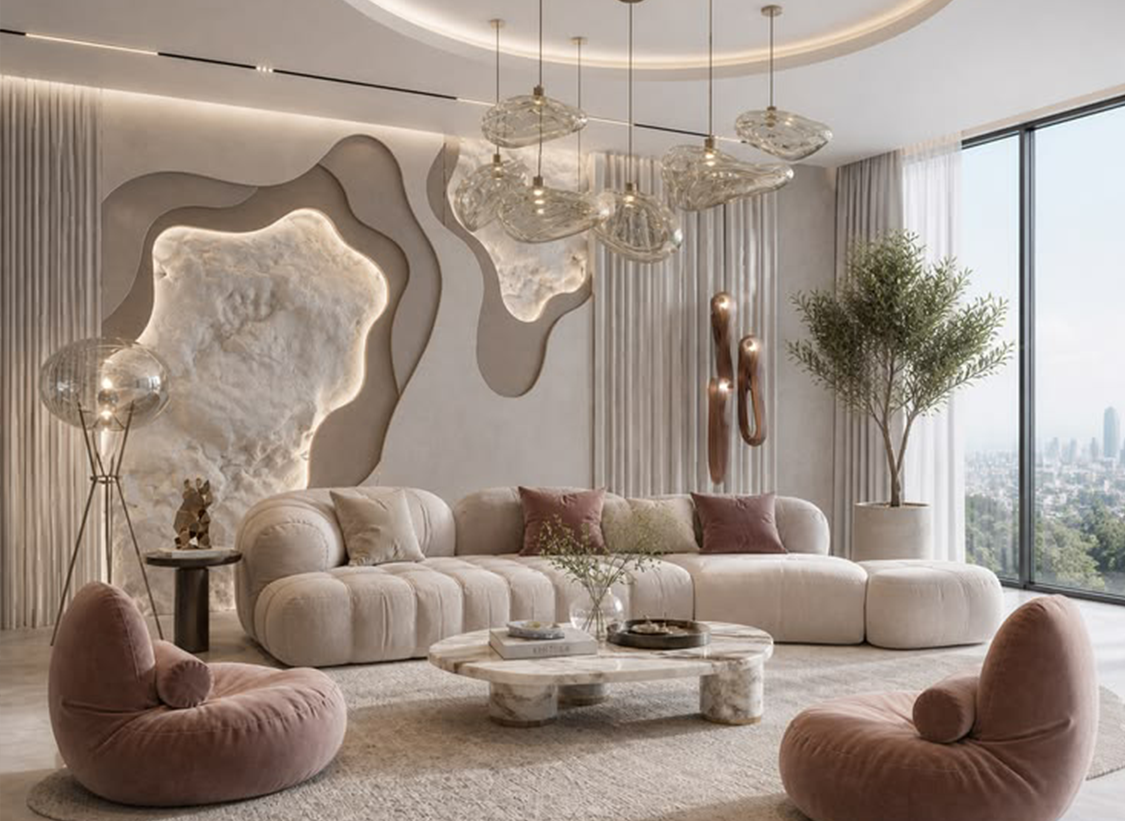
Designing your home is exciting. There are colours to choose, furniture to explore, materials to compare, and countless ideas to take inspiration from.
But with so many choices available, it is easy to make decisions that look good individually but don’t work well together.
Good interior design isn’t about filling a space with beautiful things. It’s about creating balance between function, aesthetics, comfort, and personality.
At Design Shastra, we believe thoughtful planning can prevent many common design problems. Here are some of the mistakes homeowners should avoid when designing or renovating their homes.
1. Choosing Furniture Before Planning the Layout
One of the most common mistakes is buying furniture before understanding how the room will function.
A sofa might look perfect in a showroom but feel oversized in your living room. A beautiful dining table may leave too little space for movement.
Before purchasing anything, consider:
- Room dimensions
- Walking paths
- Door and window positions
- Furniture proportions
- How the room will actually be used
Start with the layout, then choose the furniture.
2. Following Trends Too Closely
Interior trends can be inspiring, but designing your entire home around what’s popular today can make the space feel dated quickly.
Instead of copying a trend, consider what you genuinely like and what will continue to work for your lifestyle.
Use trends through elements that are easy to update, such as cushions, artwork, accessories, or smaller decorative pieces.
For larger investments, focus on timeless materials, good proportions, and designs that you will enjoy for years.
3. Ignoring Lighting
Even a beautifully designed room can feel flat if the lighting isn’t right.
A common mistake is relying entirely on one central ceiling light.
Instead, think about lighting in layers:
Ambient lighting provides overall illumination.
Task lighting supports activities such as reading, cooking, or working.
Accent lighting adds atmosphere and highlights artwork, textures, or architectural features.
Good lighting can completely change the mood and perception of a space.
4. Using Too Much Furniture
More furniture doesn’t necessarily make a home more comfortable.
Overcrowding can block movement, reduce visual space, and make rooms feel smaller.
Choose pieces based on what the room actually needs rather than trying to fill every empty corner.
Give furniture enough breathing room and allow some areas to remain visually open.
Empty space isn’t wasted space — it is part of the design.
5. Choosing Colours Without Considering the Entire Space
A colour that looks beautiful on a sample card may look very different once it’s on a wall.
Natural light, artificial lighting, flooring, furniture, and surrounding colours can all affect how a shade appears.
Before committing to a colour, consider:
- Natural light throughout the day
- Room size
- Flooring
- Furniture
- Curtains and fabrics
- Adjacent rooms
A cohesive palette doesn’t mean every room needs to be the same colour. It means the colours should work together as you move through the home.
6. Forgetting About Storage
Storage is often considered after the aesthetics have been decided.
By then, it can be difficult to find enough space without adding bulky furniture.
Plan storage from the beginning.
Consider built-in wardrobes, kitchen storage, concealed cabinets, display units, under-bed storage, and multifunctional furniture.
Good storage allows your home to remain organised while keeping the overall design clean.
7. Choosing Looks Over Functionality
A home can look beautiful in photographs but still be difficult to live in.
A delicate fabric may not be practical for a busy family. An oversized coffee table may look impressive but interfere with movement. Open shelving may look elegant but require constant organisation.
Before choosing a design element, ask:
“How will this work in my everyday life?”
The best interiors are designed for real living.
8. Hanging Artwork at the Wrong Height
Artwork can transform a room, but its placement matters.
A common mistake is hanging artwork too high, making it feel disconnected from the furniture below.
Artwork should generally relate visually to the furniture and surrounding elements rather than simply being centred on an empty wall.
For gallery walls, consider the overall composition, spacing, and relationship between the pieces.
Sometimes one thoughtfully selected artwork can have more impact than several smaller pieces.
9. Making Every Room Look the Same
A cohesive home doesn’t mean every room needs to look identical.
Using the same furniture style, colours, materials, and décor everywhere can make a home feel repetitive.
Instead, create a common design language through selected materials, colours, finishes, or details while allowing each room to have its own personality.
Think of your home as a story.
Each room should have its own chapter, but the story should still feel connected.
10. Buying Everything at Once
When designing a new home, there can be a temptation to buy all the furniture and décor immediately.
But the most interesting interiors often develop over time.
Start with the essential pieces and allow the space to evolve.
Once the main furniture, lighting, and finishes are in place, you’ll have a better understanding of what the room actually needs.
This also gives you the opportunity to choose meaningful artwork, accessories, and personal pieces rather than purchasing décor simply to fill space.
The Biggest Mistake: Designing Without a Plan
Most interior design mistakes don’t happen because homeowners have bad taste.
They happen because decisions are made individually rather than as part of a larger plan.
A beautiful sofa, stunning flooring, statement lighting, and expensive materials can all work against each other if there isn’t a clear design direction.
A well-planned interior considers the entire picture — layout, proportions, lighting, materials, colours, storage, functionality, and personality.
Design Your Home Around the Way You Live
Your home doesn’t need to follow every design rule.
It needs to work for you.
At Design Shastra, we take the time to understand how you live before developing the design. From space planning and material selection to renovation, styling, and finishing, we help bring all the elements together into one cohesive home.
The result is a space that isn’t simply beautiful to look at — it is comfortable, functional, and unmistakably yours.
Ready to Design Your Home?
Whether you’re planning a complete renovation or simply rethinking a room, we’d love to hear about your project.
