

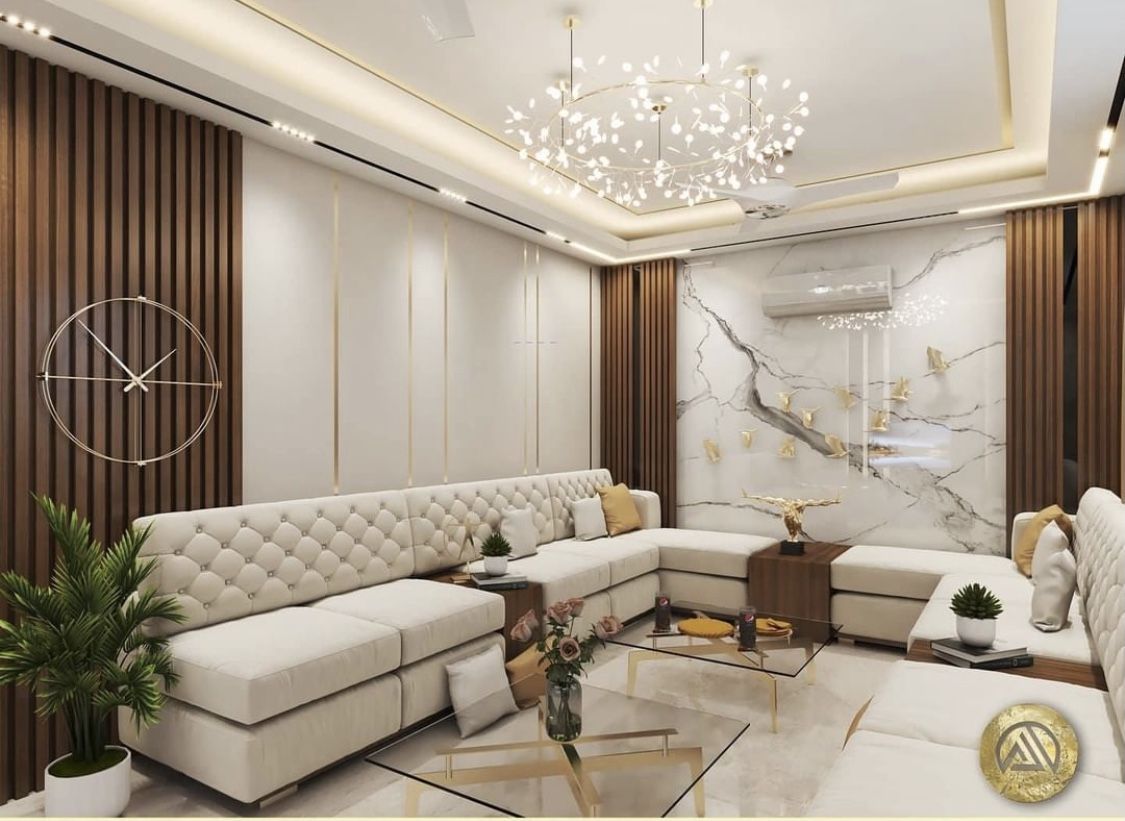
A spacious home isn’t always about having more square footage. Often, it’s about how thoughtfully the space is planned, furnished, and styled.
Even a compact home can feel open, calm, and comfortable when every element has a purpose. From improving the layout to choosing the right colours and lighting, a few intentional design decisions can completely change how your home feels.
At Design Shastra, we believe that good interior design is about making a space work beautifully for the way you live. Here are five simple ways to make your home feel more spacious.
1. Start With a Thoughtful Layout
One of the biggest factors affecting how spacious a room feels is the layout.
Too much furniture, poorly positioned pieces, or blocked pathways can make even a large room feel cramped. Instead, focus on creating clear circulation and giving each piece of furniture enough breathing room.
Consider:
- Keeping main walkways clear
- Avoiding unnecessary furniture
- Positioning furniture according to the room’s natural flow
- Creating defined zones without physically closing them off
- Choosing furniture that is proportionate to the room
A well-planned layout can make a room feel noticeably larger without changing its dimensions.
The goal isn’t to have less furniture — it’s to have the right furniture in the right places.
2. Let Natural Light Do the Work
Natural light can instantly make a space feel brighter, lighter, and more open.
Where possible, avoid blocking windows with large furniture or heavy curtains. Use lightweight window treatments that allow daylight to filter into the room while maintaining privacy.
Mirrors can also help reflect natural light and create a greater sense of depth. Placing a mirror opposite or adjacent to a window can make the room feel brighter and visually extend the space.
For rooms with limited natural light, layered artificial lighting can create a similar sense of openness. Combine ambient, task, and accent lighting rather than relying on a single overhead fixture.
3. Choose a Light and Cohesive Colour Palette
Colour has a powerful effect on how we perceive space.
Lighter shades can make walls feel less visually heavy and help create an airy atmosphere. Soft neutrals, warm whites, muted beige, subtle greys, and gentle earthy tones can work beautifully in compact spaces.
But creating a spacious feeling doesn’t mean your home needs to be completely white.
The key is visual continuity.
Using related tones across walls, furniture, curtains, and larger surfaces creates a more seamless appearance. When there are fewer abrupt visual breaks, the eye moves more easily through the room.
You can then introduce personality through artwork, cushions, rugs, plants, and carefully selected accessories.
4. Use Furniture That Works Harder
In a smaller home, every piece of furniture should earn its place.
Look for pieces that offer more than one function, such as:
- Storage ottomans
- Beds with built-in storage
- Extendable dining tables
- Modular seating
- Side tables with drawers
- Custom storage solutions
Furniture with visible legs can also create a feeling of openness because more of the floor remains visible.
Built-in storage is another powerful solution. Instead of filling a room with multiple cabinets and shelves, thoughtfully designed storage can keep everyday essentials organised while maintaining a clean visual appearance.
When clutter is reduced, space becomes more visible.
5. Keep the Styling Intentional
A spacious home doesn’t have to be empty.
The difference is in how you style it.
Too many decorative objects competing for attention can make a room feel busy. Instead, choose fewer pieces that have meaning, character, or visual impact.
Think about:
- One large artwork instead of several small pieces
- A curated selection of accessories
- Simple, coordinated textiles
- Plants that add life without overwhelming the room
- Open surfaces with intentional negative space
Don’t feel the need to fill every shelf, wall, or tabletop. Empty space is part of the design.
It gives the eye somewhere to rest and allows the important elements of your home to stand out.
The Design Principle Behind a Spacious Home
Making your home feel spacious isn’t about following a strict set of rules.
It’s about creating balance.
A thoughtful layout, natural light, cohesive colours, functional furniture, and intentional styling can work together to make your home feel more open and comfortable — regardless of its size.
At Design Shastra, we design homes around the people who live in them. Our approach combines thoughtful space planning with personalised design to create interiors that are beautiful, functional, and effortless to live in.
Ready to make more of your space?
Whether you’re planning a complete home renovation or simply looking to rethink a single room, we’d love to hear about your ideas.
